The reading room
Face Shape and Style Guides
These guides follow one path: first notice your own proportions, then compare them with the six common face shape descriptions, and finally explore haircut, bangs, and frame ideas you enjoy. Face shape is a starting point for style conversations, not a rule.
15 guides to explore
A reading path
How to use these guides
Begin with what you can see, then compare words for the outline. An oval description, for example, usually means a face that looks longer than wide with softly rounded contours, as in Zenni Optical’s face shape guide. These names are a vocabulary for noticing, not a diagnosis. You can keep more than one description if that is more useful.
- How to observe your face shapeNotice your forehead, cheek area, jawline, and overall length.
- Face shape atlasCompare the six descriptions with your own notes.
- Style notebookExplore hair and frame ideas through your preferences.
01 / The collection
Start here
3 guides
The three starting pages move from observation to the face shape atlas and then to personal style. If you do not know which shape description fits, begin with what you notice in the mirror rather than choosing a label first.
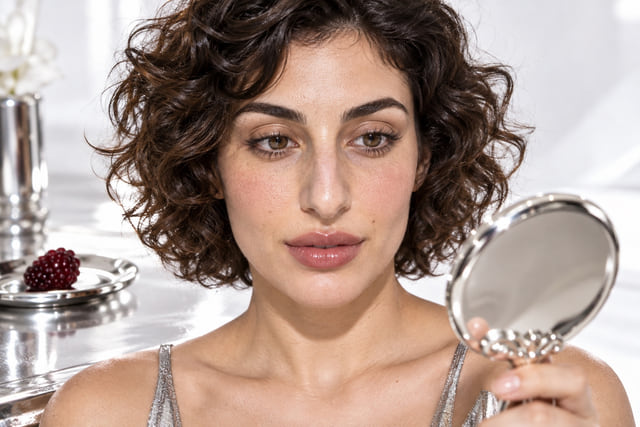
How Do I Know My Face Shape? An Observation Guide
Use a mirror to notice your forehead, cheekbones, jaw and overall face outline. Keep your observations before choosing a shape description.
Read guide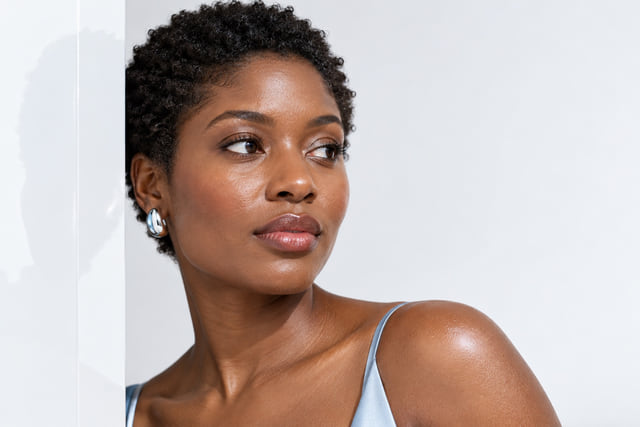
Face Shape Atlas: Explore the Descriptions
Browse round, square, oval, oblong, heart and diamond descriptions. Use the atlas to find useful words for what you notice.
Read guide
Style Notebook: Hair, Frames and Your Preferences
Start with the hair, frames and everyday choices you enjoy. Use the notebook to organize what you would like to try next.
Read guide02 / The collection
Face shapes
6 guides
Browse six common descriptions. A heart outline is often described with more width at the forehead and a narrower chin; a diamond outline places more width at the cheekbones, with a narrower forehead and jawline. The atlas lets you compare those words without forcing one answer.

Round Face Shape: A Visual Description
Compare the outline you notice with a round face description, then explore the haircut guide if that is your next question.
Read guide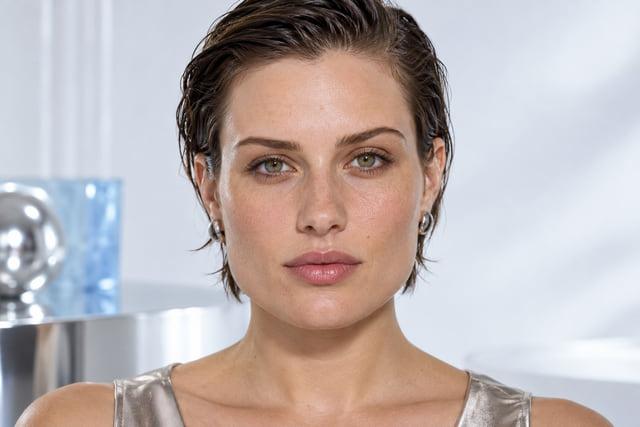
Square Face Shape: A Visual Description
Explore a square face description and compare it with your own observations. Keep styling choices separate from shape labels.
Read guide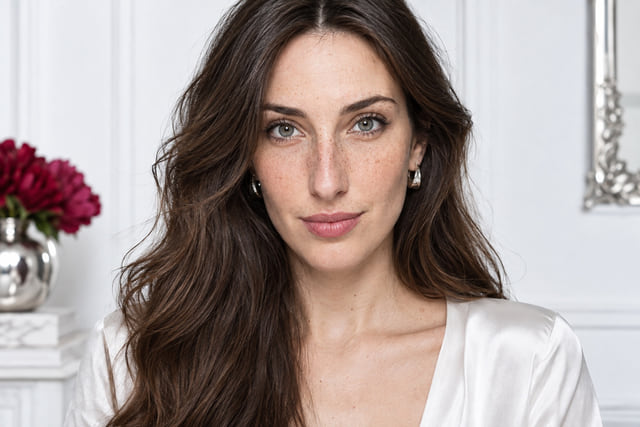
Oval Face Shape: A Visual Description
Explore an oval face description, compare the outline you see, and decide which styling questions matter to you.
Read guide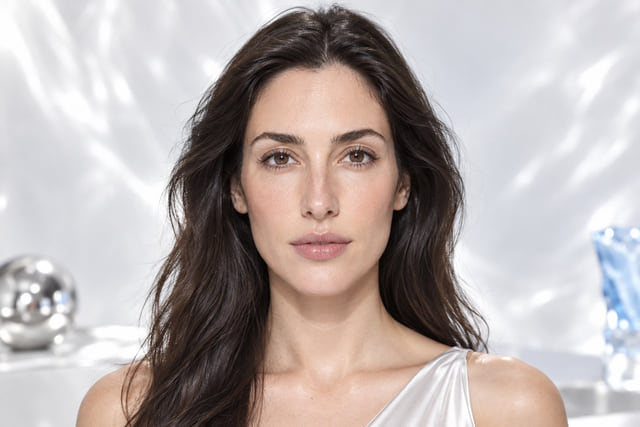
Oblong Face Shape: A Visual Description
Explore an oblong face description and note what you see in your own outline. Choose styling ideas around your preferences.
Read guide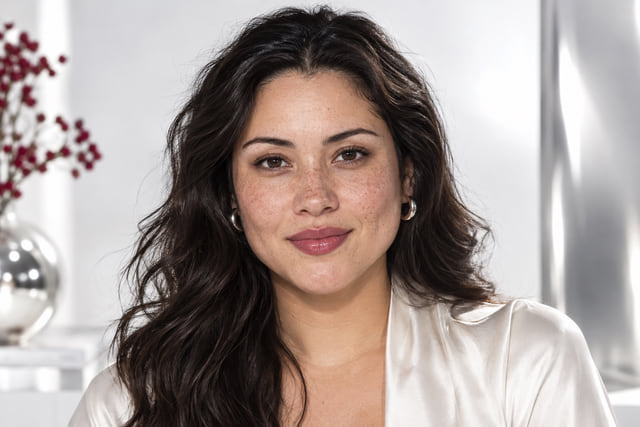
Heart Face Shape: A Visual Description
Explore a heart face description and compare the outline you notice. Your preferred hairstyle does not need to follow a fixed rule.
Read guide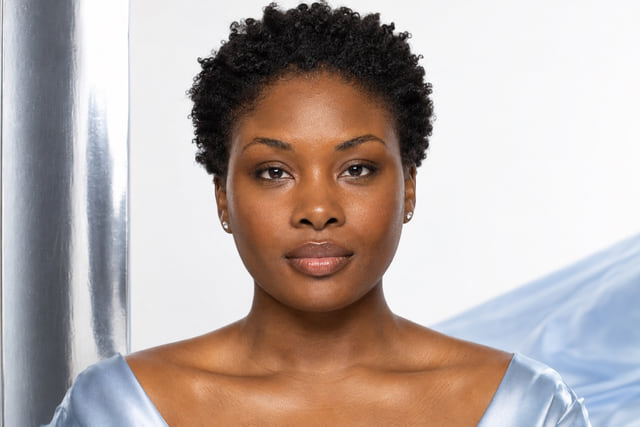
Diamond Face Shape: A Visual Description
Explore a diamond face description and compare it with your observations. Visit the haircut guide for a separate look at styling options.
Read guide03 / The collection
Observe and compare
3 guides
Look at your forehead, cheekbones, and jawline together. Camera distance and angle can change how those areas appear in a photo, so compare views taken under similar conditions before drawing conclusions from a selfie.
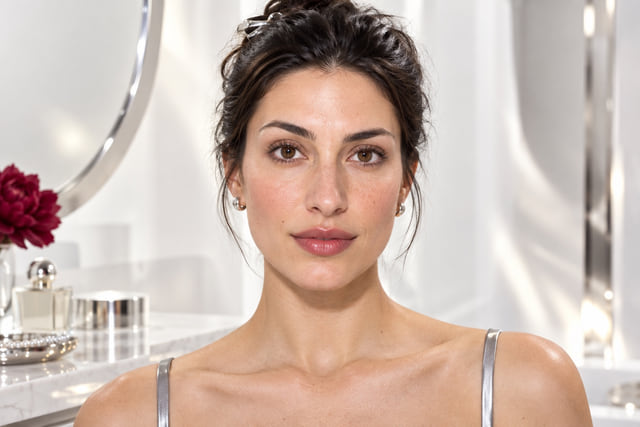
Compare Facial Proportions: An Observation Guide
Look at facial length, forehead, cheekbones and jaw as separate observations. Use measurements as notes rather than a beauty score.
Read guide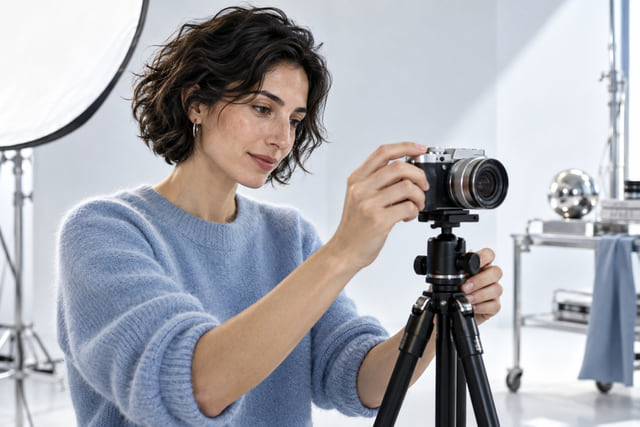
Camera Distance and Facial Perspective
A close photograph can change how facial features appear. Compare the conditions of the photo before treating it as a measurement.
Read guide
Mixed Face Shapes: More Than One Description
If more than one face shape description feels useful, keep both. You can explore styling choices without forcing a single label.
Read guide04 / The collection
Style ideas
3 guides
Frames can bring attention to the eyes, cheekbones, or jawline, while bangs can change the visual balance: a straight fringe may add a sense of width around an oval outline. Try these ideas with your hair texture, comfort, and taste in mind.

How to Choose a Hairstyle for Your Face Shape
Start with the hair you have, the styles you enjoy and the time you want to spend on them. Use face shape as one part of the conversation.
Read guideGlasses for Face Shape: Fit and Personal Style
Explore frame shape alongside comfort, bridge fit and personal taste. A face shape label should not make the decision for you.
Read guide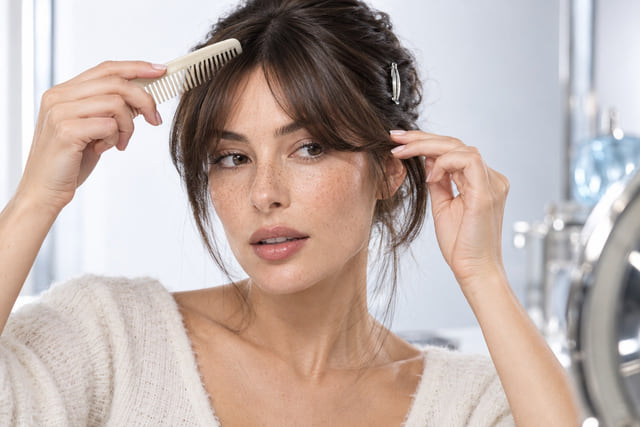
Bangs for Face Shape: Texture and Styling Choices
Compare curtain, blunt and side-swept fringe with your texture, growth pattern and everyday routine in mind. Start with what you would enjoy wearing.
Read guideFace shape guide questions
Where should I start if I don’t know my face shape?
Start with how to observe your face shape. Note what you see before comparing it with the atlas. If you arrived with the question “what is my face shape?”, the home page also gives you a short starting checklist.
Does my face shape decide which haircut I should get?
No. A shape description can help you explain what you notice, but your hair texture, routine, and the look you enjoy matter more to your choice. Use the guides as options to discuss or try.
Updated November 15, 2026